The negative reviews, mixed critical reception, and controversies surrounding Yash’s Toxic: A Fairy Tale for Grown-Ups stem from a combination of creative choices, pre-release promotional backlash, and aggressive post-release friction between the makers and content creators.

Inside the Firestorm: Why Yash and the Makers of ‘Toxic: A Fairy Tale for Grown-Ups’ Faced Intense Backlash
The script and storytelling were criticised by critics, not unlike Stardom, though audiences praised Yash’s screen presence, the production design and the film’s dark, stylised aesthetic. Critics noted the story struggled to balance its lofty ambitions with logical delivery.
Read more: Toxic Movie Review: Yash Delivers a Dark, Stylish and Ambitious Action Drama
When superstar Yash returned to the silver screen following his monumental, industry-altering success with the KGF franchise, expectations were stratospheric. Paired with acclaimed indie-auteur Geetu Mohandas and backed by a staggering budget, Toxic: A Fairy Tale for Grown-Ups was primed to be the cinematic event of 2026.
Yet, when the pan-India gangster drama finally opened in theatres, it didn’t just break box office records; it triggered an unprecedented cultural and digital storm. From polarised critical reviews to allegations of heavy-handed legal intimidation against content creators, the film’s post-release trajectory became a masterclass in how modern high-stakes blockbusters can spiral into controversy.
Examining the anatomy of the toxic backlash reveals deep fractures between commercial ambition, artistic experimentation, and the modern digital ecosystem.
The Creative Disconnect: Style vs. Substance
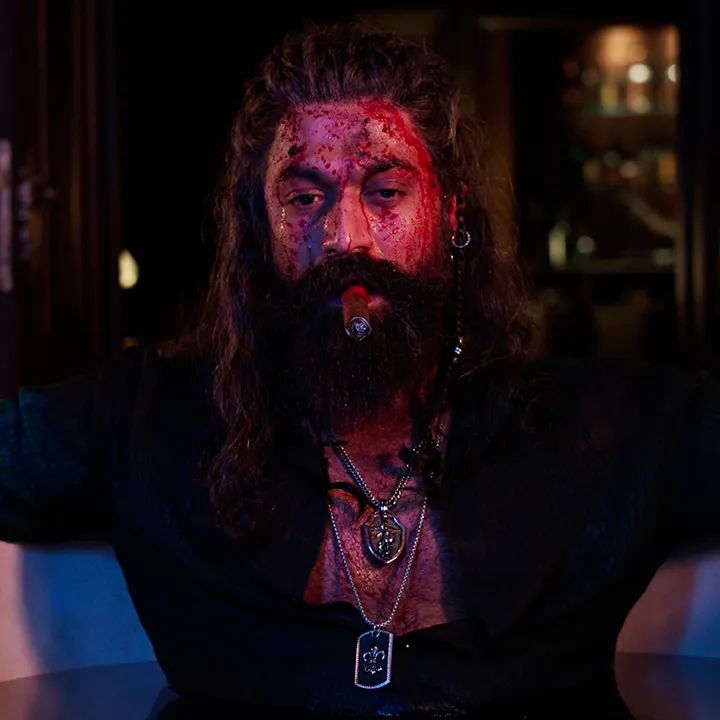
At the heart of the initial negative reviews lies a fundamental clash of expectations. Yash built his pan-India superstardom on the back of monumental, mass-appeal myth-making—hyper-stylised slow motion, thunderous build-ups, and easily digestible heroic arcs. Toxic, however, attempted a sharp pivot. Conceived as a dark, psychological gangster thriller set in pre-independence Goa under crumbling Portuguese rule, the film leaned heavily into a moody, atmospheric, and morally ambiguous space.
Critics and audiences found themselves divided by the heavy runtime—clocking in at over three hours—and a sprawling narrative structure featuring complex psychological layers, including dual character explorations and fragmented realities. While a segment of the audience praised the bold production design and uncompromised grit, mainstream viewers accustomed to clear-cut heroic validation walked away alienated. The pacing sputtered under the weight of its own philosophical ambitions, proving that mixing arthouse psychological darkness with hundred-crore commercial expectations is a perilous tightrope walk.
The Contentions of Tone and Character Treatment
Therefore, beyond narrative pacing, the film’s thematic choices drew intense scrutiny. Carrying a strict ‘A’ (Adults Only) certification from the Central Board of Film Certification (CBFC), Toxic embraced brutal violence, substance abuse, and a bleak worldview.
Thus, long before release, promotional assets had already drawn flak from conservative online quarters for leaning into hyper-aggressive masculinity and edgy aesthetics. When audiences saw the finished product, debates instantly ignited over how the script handled its extensive ensemble cast, particularly the emotional depth and agency allotted to its female characters. In an era where audiences increasingly scrutinise how mainstream cinema frames power dynamics, Toxic’s bleak underworld tropes were pulled into a wider cultural crossfire regarding responsible storytelling in big-budget action spectacles.
The Digital Battleground: Legal Notices and Suppressed Reviews
What transformed a standard lukewarm box office reception into a full-scale digital war, however, was what happened off-screen. Within days of the premiere, social media erupted with claims that the film’s production houses—KVN Productions and Monster Mind Creations—were actively pursuing legal action against prominent YouTubers, influencers, and film critics who posted harsh video critiques.
Reviewers like Prashanth Rangaswamy publicly shared copies of legal communications they received, sparking an immediate uproar across digital film communities. While legal representatives and studio insiders argued that the notices were strictly targeted at unauthorised copyright infringement—specifically the illegal lifting and circulation of protected film footage in review clips—the optics proved disastrous. To the digital public, it looked like an aggressive corporate clampdown designed to punish negative opinions and muzzle independent critics.
Compounding this friction were widespread social media screenshots and user complaints alleging that audience ratings and review scores had temporarily vanished or been restricted on major ticketing platforms like BookMyShow. Though studios frequently utilise legal frameworks to protect intellectual property, the convergence of disappearing public scores and legal threats against vocal critics birthed a widespread narrative that the makers were attempting to artificially control public sentiment.
The Broader Industry Fallout
The Toxic controversy serves as a cautionary tale for the modern pan-India film economy. As budgets swell past historic thresholds and financial pressures reach unprecedented heights, studios are increasingly protective of their investments. Yet, attempting to insulate a mega-budget product from organic criticism through legal pressure or platform manoeuvring often achieves the exact opposite effect, triggering the Streisand effect and alienating the grassroots fanbases that built these stars in the first place.
Yash remains one of Indian cinema’s most formidable talents, and Toxic undoubtedly proved his sheer box office pull on opening weekend. However, the film will likely be remembered less for its box-office tallies and more as a fierce battleground over creative freedom, the boundaries of film criticism, and the fragile ecosystem connecting mega-stars, studios, and modern audiences.